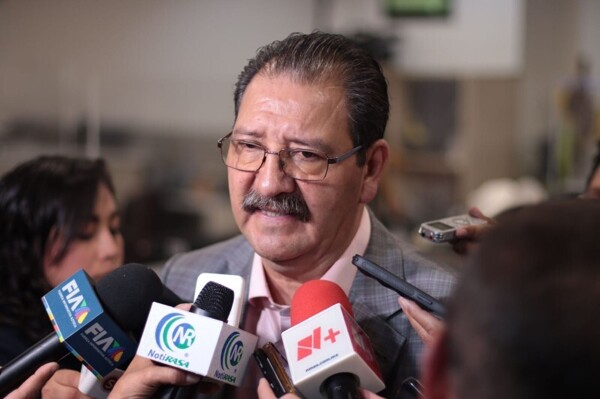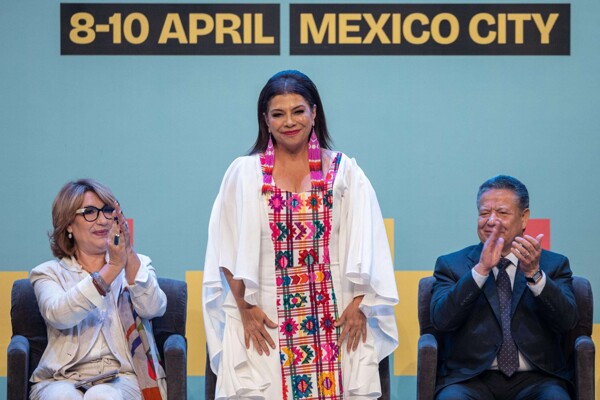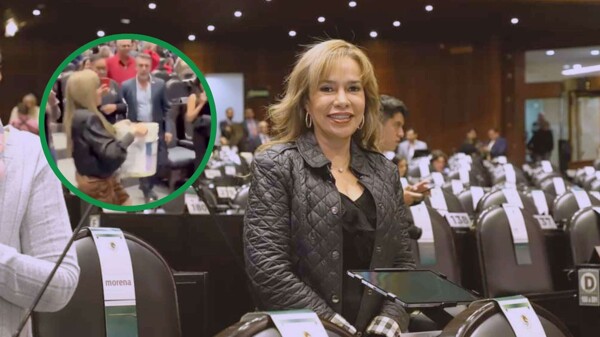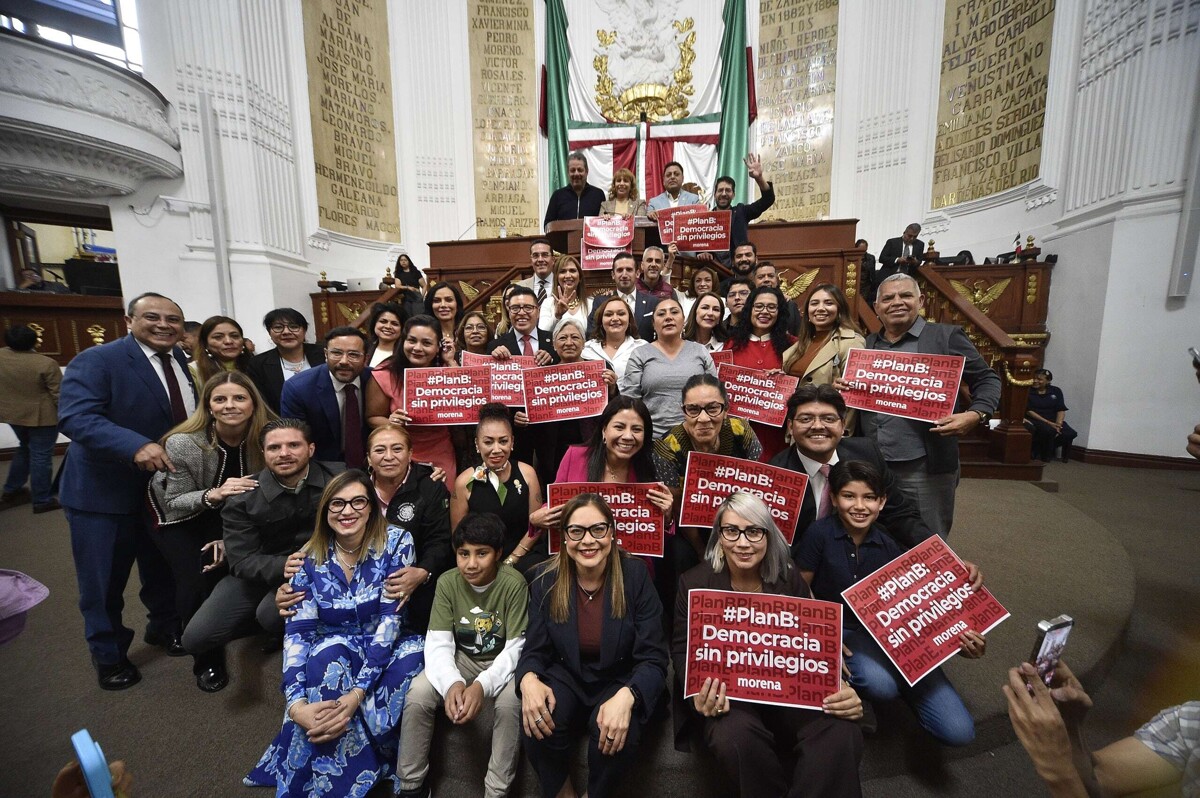
The Congress of Mexico City, with a majority from the Fourth Transformation (4T), approved the Plan B electoral reform, sparking criticism from the opposition, especially from the National Action Party (PAN), who rejected the bill for representing a democratic setback and a risk to electoral institutions. With 49 votes in favor, the majority led by Morena and its allies approved the reform promoted at the federal level, backing the project of Head of Government Claudia Sheinbaum under the argument of strengthening austerity and efficiency in public spending. However, the PAN opposition warned that the true impact will be the weakening of the Mexican electoral system. PAN accuses the Plan B of an attempt at political control. During the plenary discussion, PAN lawmakers agreed that the reform does not solve the underlying problems of the electoral system but seeks to concentrate power. Deputy Ricardo Rubio stated that Plan B “is not an electoral reform, but a mechanism for political control via the budget,” by criticizing cuts to electoral institutions. Along the same lines, PAN vice-coordinator Diego Garrido described the initiative as a “democratic regression” driven by a “presidential whim,” noting that it does not include measures against the intervention of organized crime in elections. They warn of institutional weakening and electoral risks. The PAN's criticisms focused on the budget reduction to electoral bodies, which could make them more vulnerable. Deputy Raúl Torres also questioned that the reform ignores Mexicans abroad by not facilitating their participation or guaranteeing effective representation. In turn, deputy América Rangel described Plan B as a “total failure” and accused it of seeking “to manipulate the rules of the game to stay in power.” They point out serious omissions: organized crime and free voting. Deputy Claudia Pérez warned that the reform leaves out key issues such as illicit financing, the intervention of organized crime, and the protection of free voting. Meanwhile, Laura Álvarez warned that the accelerated approval of the bill responds to political interests and “opens the door to abuse” by weakening democratic controls. Morena defends Plan B and austerity. From the officialist bench, deputies defended the reform as a step towards governmental efficiency. While Morena presents it as an advance in austerity and spending control, PAN warns that it could jeopardize electoral equity and institutional autonomy. The PAN reiterated its vote against and assured that it will continue to defend free, transparent elections without the intervention of illegal interests, insisting that Mexico requires deep reforms, not changes that weaken democratic checks. They argued that Plan B will allow reducing costs in local congresses, reducing councilors, and expanding citizen participation mechanisms, such as the recall of mandate. A debate that polarizes democracy in Mexico. The approval of Plan B reflects the growing political polarization in the country.